In the waste management and recycling industry, keeping equipment running efficiently is essential. From conveyor belts and shredders to compactors, balers and processing machinery, every part of the operation plays a role in keeping materials moving. When one piece of equipment fails, the consequences can quickly spread across an entire site, causing processing delays, missed collections, increased operating costs and unnecessary disruption.
The problem is that machinery rarely breaks down without some indication that something is wrong. Unusual noises, increased vibration and changes in operating temperature can all point to developing faults. Overheating, in particular, is an important warning sign that is easily overlooked until it develops into a more serious problem.
Motors may begin running hotter than usual, bearings can experience increased friction, and ventilation systems may struggle with dust and debris commonly found in recycling environments. Left unchecked, these seemingly minor issues can result in damaged components, expensive repairs or complete equipment failure.
This is where preventative maintenance becomes particularly valuable. Using technology such as heat monitors allows operators to keep a closer eye on equipment temperatures and identify unusual changes before they lead to breakdowns. Rather than waiting for machinery to show obvious signs of trouble, maintenance teams can use temperature readings to investigate potential problems at an earlier stage.
Why Monitoring Equipment Temperature Matters
A single temperature reading can provide useful information, but monitoring changes over time offers a much clearer picture of equipment condition. If a conveyor motor that normally operates within a consistent temperature range gradually begins running hotter, it could indicate friction, restricted airflow, lubrication problems or an electrical fault.
In a busy recycling facility, identifying these changes early can make a considerable difference. Maintenance teams can investigate and arrange repairs around existing workloads rather than dealing with an unexpected breakdown in the middle of a processing shift.
There are several practical benefits to taking a more proactive approach:
- Fewer unexpected breakdowns: Early warning signs allow potential faults to be investigated before they cause equipment failure.
- Better maintenance planning: Repairs and servicing can be scheduled to minimise disruption to daily operations.
- Lower operating costs: Addressing relatively minor issues is generally less expensive than replacing damaged machinery or arranging emergency repairs.
- Improved equipment lifespan: Keeping machinery operating within appropriate conditions can help protect valuable components.
- More reliable processing: Well-maintained equipment helps recycling facilities maintain consistent throughput and meet operational targets.
Making Maintenance Part of a More Efficient Operation
For recycling and waste management businesses, operational efficiency is about more than simply processing greater volumes of material. It also involves making the best use of existing equipment, reducing unnecessary waste and avoiding the additional costs associated with preventable repairs.
A well-planned maintenance programme, supported by appropriate monitoring technology, helps businesses understand how their equipment is performing and where attention may be needed. Regular inspections, cleaning, lubrication and temperature checks all contribute to a more reliable working environment.
There is also a wider sustainability consideration. Extending the useful life of machinery reduces the need for premature replacements, helping businesses make better use of resources and avoid unnecessary expenditure.
In an industry built around recovering value from materials and reducing waste, looking after the equipment that makes those processes possible is equally important. Recognising the small warning signs early can prevent much bigger problems later, keeping facilities productive, machinery working efficiently and avoidable costs under control.
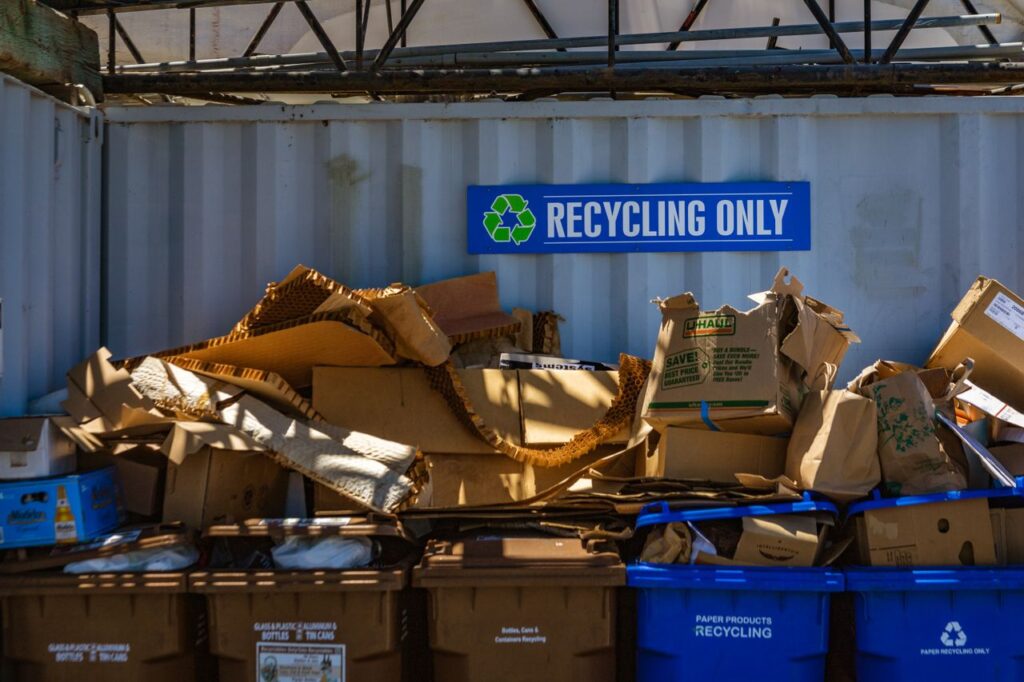
Photo by Robert So for Pexels.